ULEZ Updates – Benefits for Businesses on the Edge

Pay & Display or ANPR? What Retail Car Parks Are Really Optimised For
09/03/2026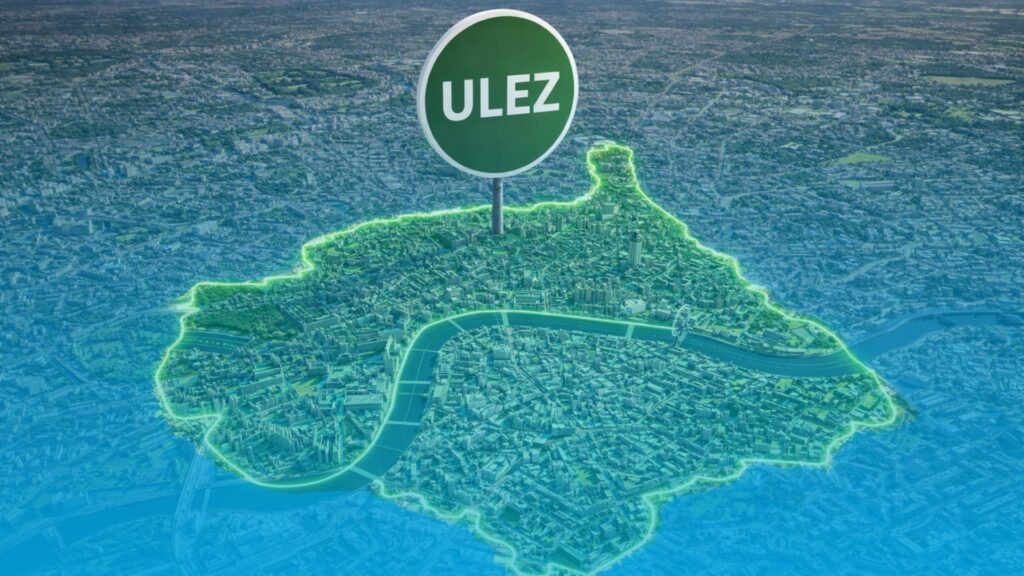
ULEZ Is Not Standing Still: What the Next Phase Means for Businesses on the Edge
When ULEZ first expanded, the focus was clear.
Compliance.
Costs.
And how quickly drivers would adapt.
Now, a few years on, something more interesting is happening.
ULEZ is no longer just a boundary.
It is becoming part of a wider shift in how vehicles are managed, priced and positioned across London.
And for businesses, particularly those located on the edge of ULEZ zones, that shift is creating both pressure and opportunity.
ULEZ was the starting point, not the end point
ULEZ introduced a simple concept.
If your vehicle does not meet emissions standards, you pay a daily charge.
That principle still holds.
But around it, the landscape is becoming more layered.
Congestion Charge increases.
Changes to EV taxation.
Proposals around vehicle size and weight.
And borough-level parking policies linked to emissions.
Each of these adds another layer to how drivers make decisions.
And those decisions directly affect where people choose to go.
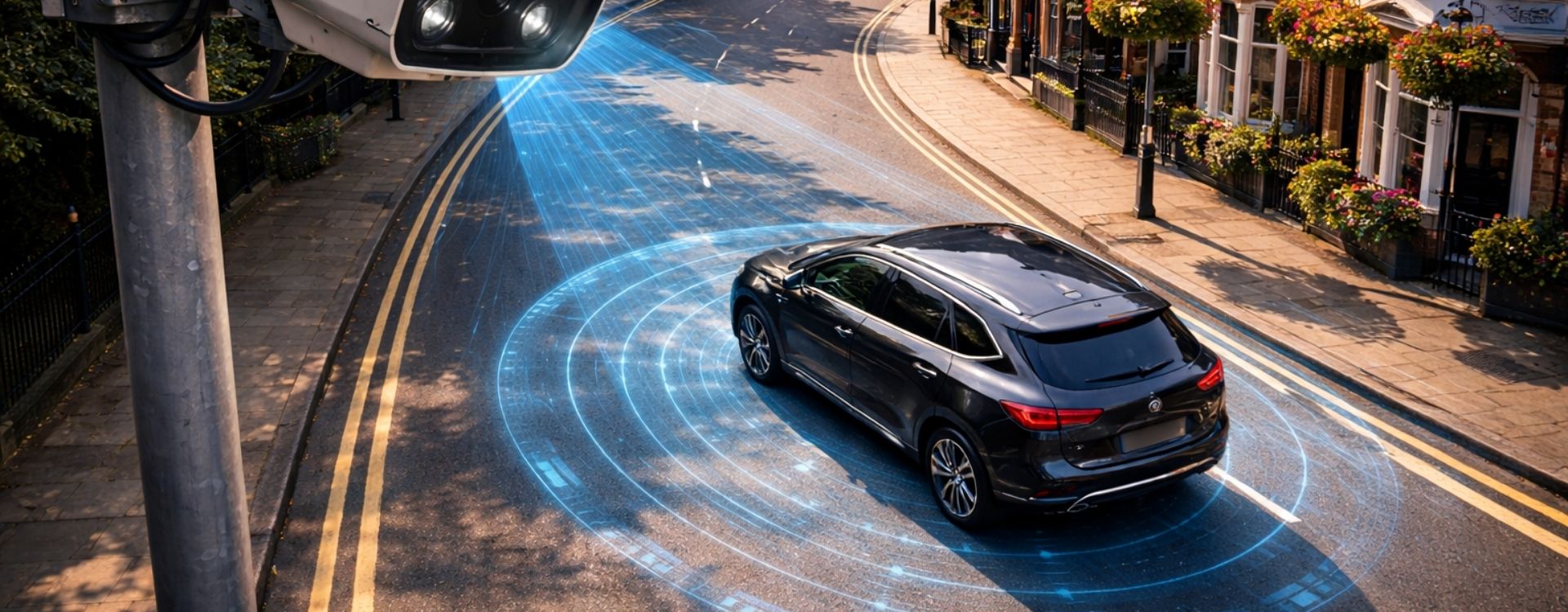
The cost of driving into London is rising
Several confirmed changes in 2026 have already shifted behaviour.
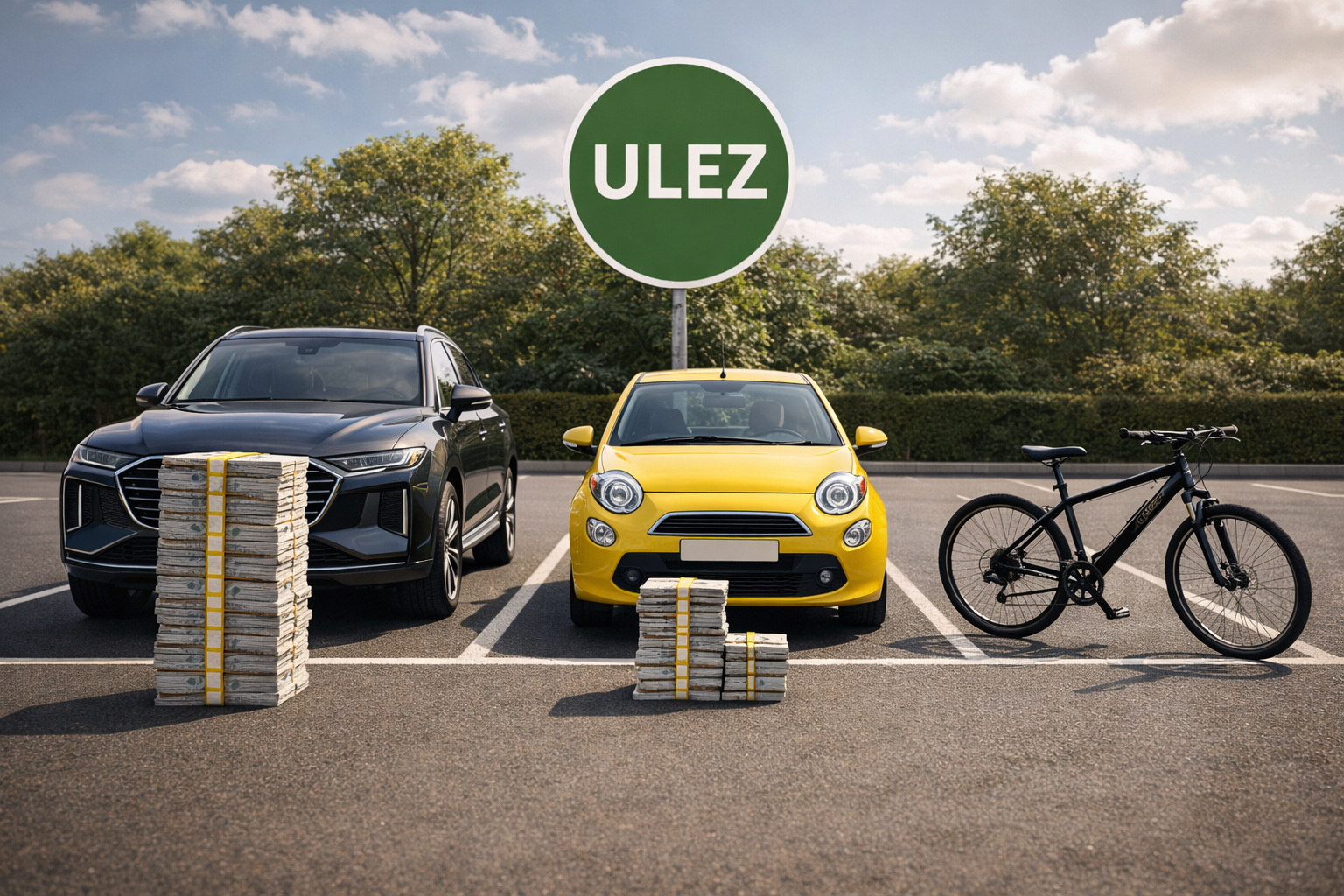
The Congestion Charge has increased to £18 per day, and the previous cleaner vehicle discounts have now ended. This means most vehicles, including many newer models, are now subject to the full charge.
At the same time, electric vehicles are no longer fully shielded from additional taxation. From April 2026, the Expensive Car Supplement now applies to EVs over £50,000, bringing many larger vehicles into scope.
Alongside this, boroughs across London are introducing emissions-based parking permits, where higher emitting vehicles face significantly higher costs.
These are not isolated changes.
They are cumulative.
And they are starting to influence how, when and where people drive.
Sources:
- TfL Press Office, Changes to the Congestion Charge (2025)
- Gov.uk Budget 2025 to 2026, Vehicle Excise Duty updates
- London Borough of Hounslow, Emissions Based Parking Charges (2025)
Why the edge of ULEZ matters more than ever
For businesses located just outside ULEZ boundaries, this creates a very specific dynamic.
Drivers are increasingly aware of where charges begin.
And they are adjusting behaviour accordingly.
Some will avoid entering altogether.
Some will park just outside and continue their journey another way.
Some will actively seek out locations that allow them to bypass multiple charges at once.
This means that “border locations” are becoming decision points.
Not just places on a map, but strategic positions within the wider transport system.
What this means for footfall and demand
If more drivers are choosing to stop before entering ULEZ, those areas naturally see increased demand.
Retail parks.
Local high streets.
Hospitality venues.
Business parks.
All of these can benefit from increased footfall driven by cost-conscious decisions.
But that benefit only holds if parking is managed correctly.
Without structure, increased demand leads to congestion.
Longer stays.
Misuse of spaces intended for genuine customers.
And when that happens, the advantage quickly disappears.
Managing increased demand in the right way
This is where parking management becomes critical.
Not just enforcement, but balance.
Ensuring genuine users can access spaces easily.
Preventing long-stay misuse that blocks turnover.
Maintaining a positive experience for customers.
For sites on the edge of ULEZ, this balance is particularly important.
Too restrictive, and you lose the very visitors you are attracting.
Too relaxed, and spaces become unavailable when they are needed most.
The right approach sits in between.
Clear rules.
Consistent management.
Minimal friction for legitimate users.

A wider shift in how vehicles are treated
ULEZ was originally built around emissions.
What we are now seeing is a gradual move towards broader criteria.
Vehicle price.
Vehicle size.
Vehicle weight.
And overall impact on the urban environment.
There is already an active review into how larger vehicles, particularly SUVs, may be treated in the future, with discussions around safety and space usage playing a growing role.
At borough level, this thinking is already in place through emissions-based parking structures.
In simple terms, the cost of driving and parking in London is becoming more nuanced.
And that will continue to shape behaviour.
Sources:
- The Guardian, Review into SUV-related charging proposals (March 2026)
- TfL and City Hall transport policy updates (2025 to 2026)
The opportunity for businesses
For businesses, particularly those positioned just outside ULEZ zones, this creates a clear opportunity.
More drivers are making conscious decisions about where they stop.
More journeys are being split or redirected.
More value is placed on accessible, well-managed parking.
If your site is positioned correctly, and your parking supports that demand, you can benefit.
Increased visits.
Higher turnover.
Stronger local relevance.
But it requires intent.
Parking needs to be treated as part of the customer journey, not an afterthought.